The Role of Environment in Casino Design
The environment of a casino plays a crucial role in shaping the visitor experience. Elements such as lighting, color schemes, and overall ambiance are meticulously crafted to create a specific atmosphere. For instance, soft lighting can make patrons feel more relaxed, encouraging them to stay longer and engage more with the games. The use of vibrant colors, particularly reds and golds, is often strategic, as these hues stimulate excitement and a sense of urgency, driving players toward making impulsive decisions, which is why many enjoy playing at a payid casino for that added thrill.
Another important aspect is the spatial layout of a casino, which is carefully designed to guide guests through the gaming floor. Wide aisles and open spaces create an inviting feel, while strategically placed slot machines and tables encourage foot traffic. This design not only maximizes player interaction but also ensures that the excitement of others can be felt throughout the venue, further enticing individuals to join in on the fun. The psychological impact of this environment is significant, as it can both attract new players and retain existing ones.
Additionally, sensory elements such as sound and scent are meticulously manipulated in casinos. The clinking of coins and the sounds of winning are often amplified, creating an auditory feedback loop that stimulates excitement and encourages more play. Scent marketing is also employed, with some casinos using specific fragrances to evoke feelings of luxury or nostalgia. These combined sensory inputs work to create a memorable experience, one that is designed to linger in the minds of patrons long after they leave.
The Psychology of Color and Light
Color psychology plays a vital role in casino design, influencing emotions and behaviors of guests. Research has shown that different colors can evoke various feelings; for instance, blue often promotes calmness, while red can increase energy levels. Casinos commonly use bold colors like red, yellow, and gold to catch the eye and trigger a sense of excitement. This strategic use of color can lead to increased playtime, as patrons are subconsciously influenced to remain in an environment that feels exhilarating and stimulating.
Lighting is another key component that casinos manipulate for psychological advantage. Casinos often utilize dim, ambient lighting combined with bright spotlights on games to draw attention to specific areas or attractions. This contrast not only creates a visually appealing environment but also instills a sense of mystery and anticipation about what lies ahead. Proper lighting can also mask unattractive features or create an illusion of a more spacious area, leading players to feel more at ease and in control during their gaming experience.

The combination of light and color can affect decision-making as well. A well-lit area may prompt players to feel confident and willing to take bigger risks, whereas darker areas may entice them to play more cautiously. This manipulation of perception can lead to increased interaction with games and machines, as players are constantly responding to the ambiance curated by the casino. Understanding the psychology of color and light allows designers to create an immersive experience that keeps patrons engaged and entertained.
The Influence of Layout and Flow
A casino’s layout is crafted to optimize the flow of foot traffic and encourage exploration. The first impression is essential, and many casinos implement a grand entrance that captivates newcomers while providing sightlines to various gaming options. This strategic layout not only entices players but also instills a sense of curiosity about what other offerings await them, pushing them to venture deeper into the establishment.
The arrangement of gaming machines and tables is also designed to foster social interaction. For example, placing slot machines in clusters encourages players to interact with one another, which can enhance the overall gaming experience. Additionally, creating lounge areas with comfortable seating ensures that visitors have spaces to relax and socialize, allowing them to recharge before returning to the gaming floor. This design creates a community atmosphere that can lead to repeated visits and increased spending.
Crowd management is also a key factor in casino layout. By controlling the flow of foot traffic, casinos can reduce congestion and enhance the overall experience for their guests. Game areas are designed to be spacious enough to accommodate enthusiastic players while still allowing for movement. In addition, having clear signage and intuitive pathways ensures that players can easily navigate the casino, making their experience smooth, enjoyable, and stress-free.
The Role of Amenities and Services
Casinos often feature a variety of amenities and services designed to enhance the overall experience for guests. High-quality dining options, bars, and entertainment venues are strategically placed within casinos to create an all-encompassing experience. These amenities not only encourage patrons to spend more time at the casino, but they also promote social interactions among guests. Dining and entertainment options offer a break from the gaming floor, allowing players to recharge and prolong their visit.
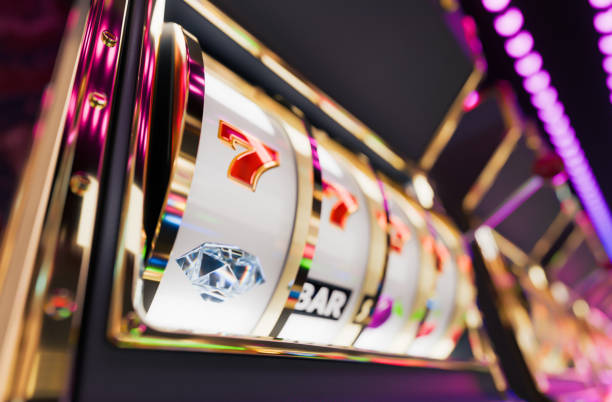
Moreover, casinos frequently provide loyalty programs and promotional events, which can psychologically impact player behavior. By offering rewards for repeat visits, casinos create a sense of belonging among guests. This loyalty fosters habitual return visits, as players perceive a value in their continued patronage. These psychological motivators play a significant role in sustaining customer retention and increasing profits.
Additionally, guest services such as complimentary drinks and personalized attention can enhance the perception of value in the casino experience. Patrons who feel valued are more likely to spend additional money and promote positive word-of-mouth referrals. The integration of amenities and services into casino design showcases the understanding of human psychology and the desire to create an inviting atmosphere that keeps players coming back.
Understanding Casino Branding and Online Presence
In today’s digital age, the importance of a strong online presence has become essential for casinos. Effective branding extends beyond physical design; it encompasses the online experience, from website navigation to social media engagement. A well-crafted online platform allows casinos to connect with customers effectively, presenting promotions, events, and other offerings in visually appealing ways that reflect the same excitement felt in the physical space.
Understanding the target audience is fundamental for effective casino branding. Different demographics respond to various marketing techniques and themes. By analyzing player behavior and preferences, casinos can tailor their online content to attract and retain customers. Offering engaging content, such as blog posts that cover gaming strategies or industry news, can enhance a casino’s online reputation and foster a community around its brand.
Additionally, the use of digital marketing strategies, such as search engine optimization (SEO) and social media marketing, plays a significant role in enhancing visibility. By optimizing content for search engines, casinos can reach a broader audience and attract new players who might be interested in their offerings. An engaging web presence mirrors the immersive experience found within the physical casinos, ultimately driving traffic and creating a lasting impression on potential visitors.